
Sorted Group
Designing and evolving the Sorted digital experience, a case study in UX, accessibility, and performance-led design including My Parcel Delivery.
Roles
UX/UI Design and Development
Duration
2014 - 2025
Platforms
Umbraco, VS Code, HubSpot, Gatsby.js, WordPress, Framer
Focus areas
UX Research, Accessibility, Design Systems, Conversion Optimisation

The Sorted evolution
2014 - 2025
Evolving Sorted’s SaaS platform through a unified performance-led redesign driven by UX, accessibility and scalability.
The Sorted evolution
2014 - 2025
Evolving Sorted’s SaaS platform through a unified performance-led redesign driven by UX, accessibility and scalability.
The Challenge
As Sorted evolved into a SaaS delivery experience platform, its digital presence needed to reflect a new enterprise focus. The website had transitioned across multiple platforms including Umbraco, Gatsby.js and WordPress which created inconsistencies in design, performance and content management. These fragmented systems led to disjointed user journeys and limited the marketing team’s ability to manage and optimise content effectively.
The Challenge
As Sorted evolved into a SaaS delivery experience platform, its digital presence needed to reflect a new enterprise focus. The website had transitioned across multiple platforms including Umbraco, Gatsby.js and WordPress which created inconsistencies in design, performance and content management. These fragmented systems led to disjointed user journeys and limited the marketing team’s ability to manage and optimise content effectively.

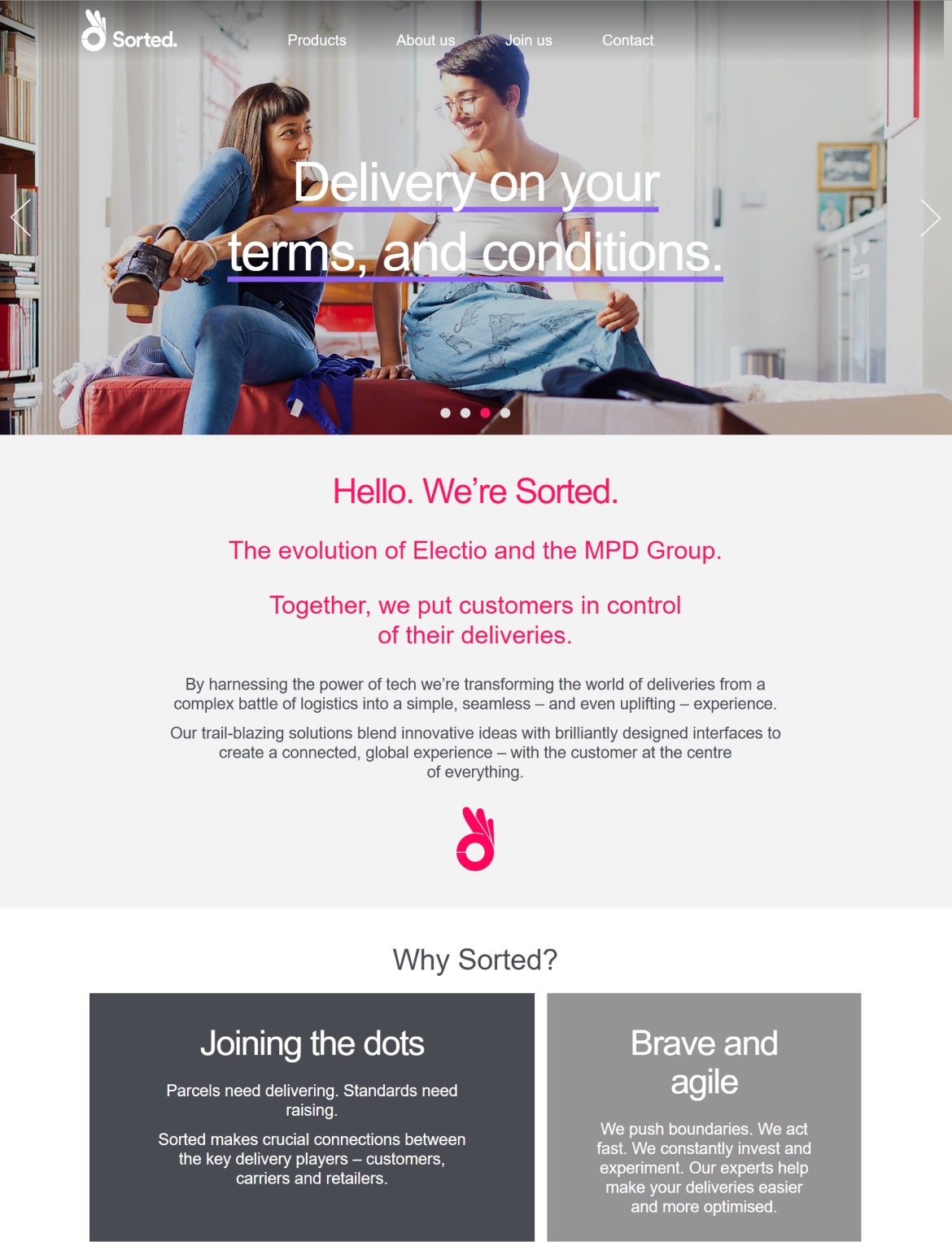
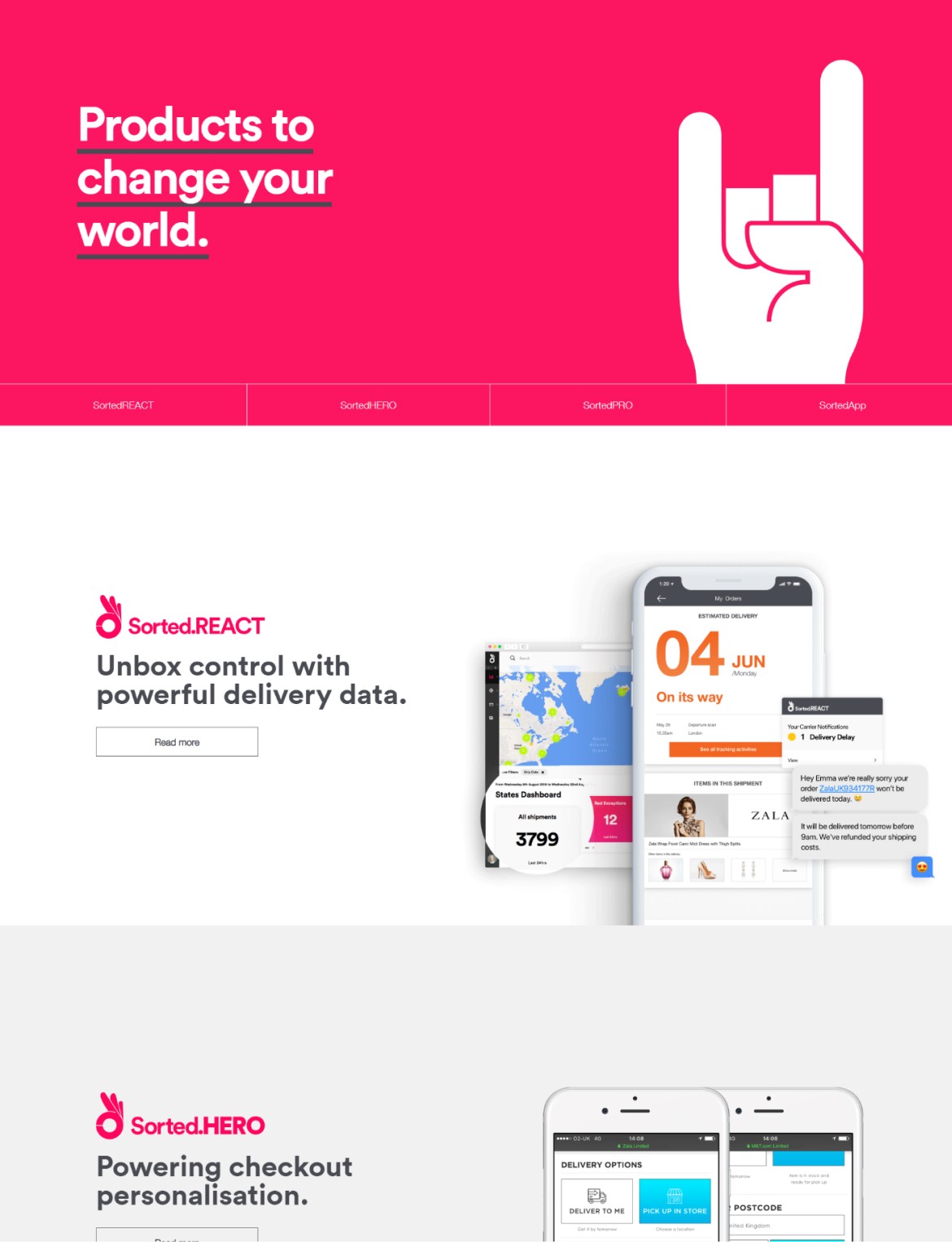
The objective was to unify the experience through a scalable and performance-led design that improved UX consistency, accessibility and conversion. The redesign needed to streamline information hierarchy, enhance usability and establish a flexible framework capable of adapting as the platform grew.
The objective was to unify the experience through a scalable and performance-led design that improved UX consistency, accessibility and conversion. The redesign needed to streamline information hierarchy, enhance usability and establish a flexible framework capable of adapting as the platform grew.
Key objectives:
Unify the website across multiple platforms to create a consistent, scalable, and maintainable user experience.
Improve accessibility, performance and UX flow to better support enterprise-level audiences and lead generation.
Establish a flexible design and content framework that empowers marketing teams while maintaining brand and UX consistency.
Key objectives:
Unify the website across multiple platforms to create a consistent, scalable, and maintainable user experience.
Improve accessibility, performance and UX flow to better support enterprise-level audiences and lead generation.
Establish a flexible design and content framework that empowers marketing teams while maintaining brand and UX consistency.
The Solution
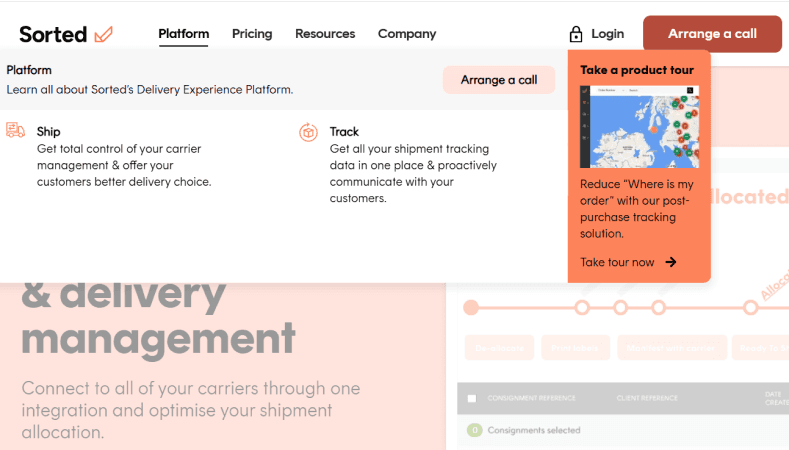
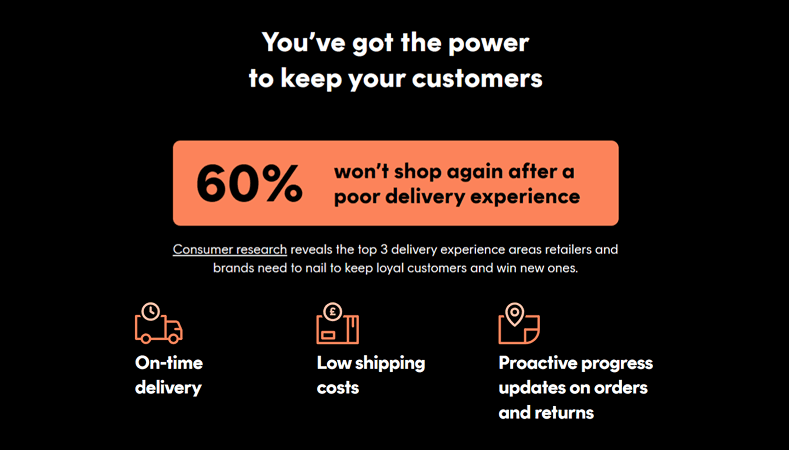
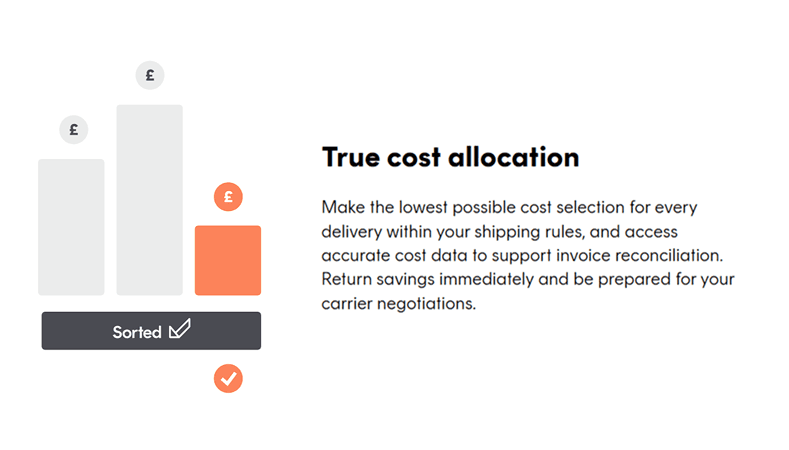
Collaborating with the Marketing and Product teams, I helped redesign and develop Sorted’s website across multiple platforms including Umbraco, Gatsby.js, HubSpot and WordPress. The focus was on creating a unified scalable design system that delivered a consistent and accessible user experience. I implemented responsive templates, improved content hierarchy and refined the visual language to strengthen brand consistency and meet WCAG accessibility standards.
To optimise performance and conversion, I used Google Analytics and Google Tag Manager to monitor user behaviour and inform A/B testing programmes. Technical improvements centred on lightweight standards-compliant front-end development to boost SEO, site speed and maintainability. Migrating from HubSpot to WordPress streamlined content management, giving the Marketing team greater flexibility to update and manage campaigns with ease while maintaining brand and design consistency.
The Solution
Collaborating with the Marketing and Product teams, I helped redesign and develop Sorted’s website across multiple platforms including Umbraco, Gatsby.js, HubSpot and WordPress. The focus was on creating a unified scalable design system that delivered a consistent and accessible user experience. I implemented responsive templates, improved content hierarchy and refined the visual language to strengthen brand consistency and meet WCAG accessibility standards.
To optimise performance and conversion, I used Google Analytics and Google Tag Manager to monitor user behaviour and inform A/B testing programmes. Technical improvements centred on lightweight standards-compliant front-end development to boost SEO, site speed and maintainability. Migrating from HubSpot to WordPress streamlined content management, giving the Marketing team greater flexibility to update and manage campaigns with ease while maintaining brand and design consistency.
Key actions:
Designed and developed responsive templates across multiple CMS platforms
Used Google Analytics and Tag Manager to drive A/B testing and UX insights
Collaborated with an external agency to deliver the WordPress migration
Implemented a unified design system for visual and UX consistency
Key actions:
Designed and developed responsive templates across multiple CMS platforms
Used Google Analytics and Tag Manager to drive A/B testing and UX insights
Collaborated with an external agency to deliver the WordPress migration
Implemented a unified design system for visual and UX consistency
The Results
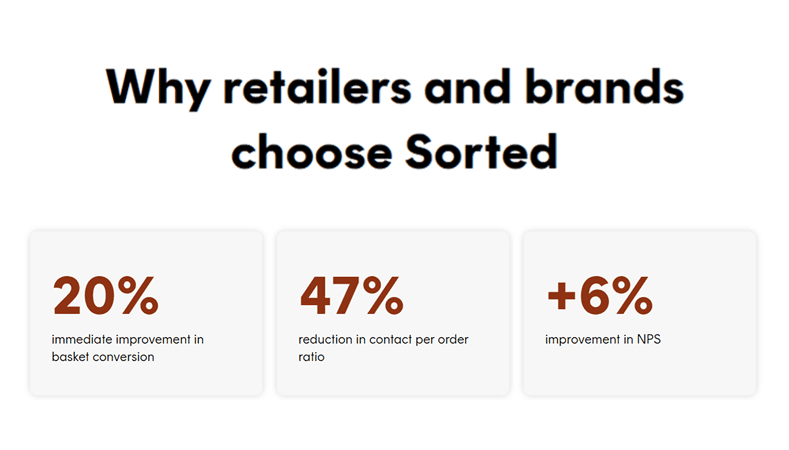
The redesigned Sorted website achieved significant improvements in both usability and performance, establishing a more consistent and professional digital experience across all touchpoints. The introduction of a unified design system created visual and structural cohesion, reducing maintenance overhead and enabling faster content deployment by the Marketing team. Accessibility enhancements ensured compliance with WCAG 2.1 AA standards, improving usability for a wider audience.
From a technical and performance perspective, optimised front-end code and SEO refinements led to faster load times, improved visibility and stronger conversion metrics. The transition to WordPress, supported by ongoing analysis through Google Analytics and Tag Manager, enabled a more data-driven approach to UX improvements and campaign performance. The collaboration with the external development agency proved highly effective, allowing seamless delivery of the WordPress platform and setting a strong foundation for future growth.
The Results
The redesigned Sorted website achieved significant improvements in both usability and performance, establishing a more consistent and professional digital experience across all touchpoints. The introduction of a unified design system created visual and structural cohesion, reducing maintenance overhead and enabling faster content deployment by the Marketing team. Accessibility enhancements ensured compliance with WCAG 2.1 AA standards, improving usability for a wider audience.
From a technical and performance perspective, optimised front-end code and SEO refinements led to faster load times, improved visibility and stronger conversion metrics. The transition to WordPress, supported by ongoing analysis through Google Analytics and Tag Manager, enabled a more data-driven approach to UX improvements and campaign performance. The collaboration with the external development agency proved highly effective, allowing seamless delivery of the WordPress platform and setting a strong foundation for future growth.
Key outcomes:

Increased site speed & SEO visibility
Optimised front-end and SEO boosted site speed and visibility
Inclusive UX
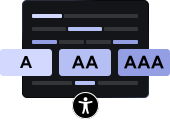
WCAG-compliant contrast & accessibility.
Optimised conversions
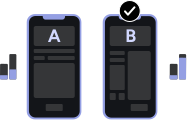
Refined hierarchy, stronger CTAs, and A/B testing boosted demo sign-ups and conversions

Scalable design system
Designed a modular system for faster content creation and consistent branding
Key outcomes:
Increased site speed & SEO visibility
Optimised front-end and SEO boosted site speed and visibility
Inclusive UX
WCAG-compliant contrast & accessibility.
Optimised conversions
Refined hierarchy, stronger CTAs, and A/B testing boosted demo sign-ups and conversions
Scalable design system
Designed a modular system for faster content creation and consistent branding
Phase 2: The Framer Revolution
Building on the solid foundation of the WordPress ecosystem, the next stage of Sorted’s digital journey required a leap in visual sophistication and interaction design. This phase represents a complete reimagining of the user experience, moving from a static CMS to a dynamic, Framer-powered environment designed to scale with our global enterprise ambitions.
Phase 2: The Framer Revolution
Building on the solid foundation of the WordPress ecosystem, the next stage of Sorted’s digital journey required a leap in visual sophistication and interaction design. This phase represents a complete reimagining of the user experience, moving from a static CMS to a dynamic, Framer-powered environment designed to scale with our global enterprise ambitions.
The Strategic Shift
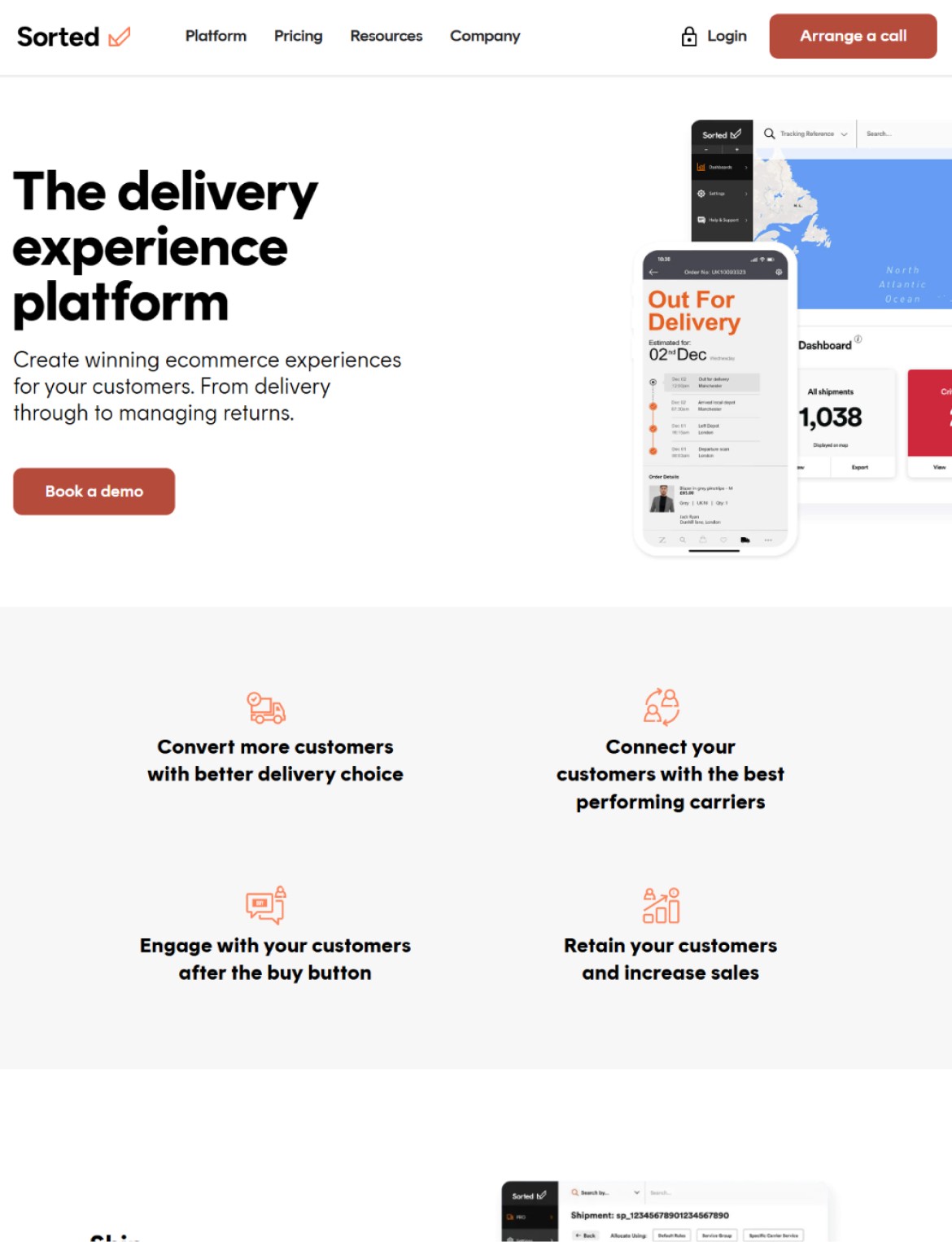
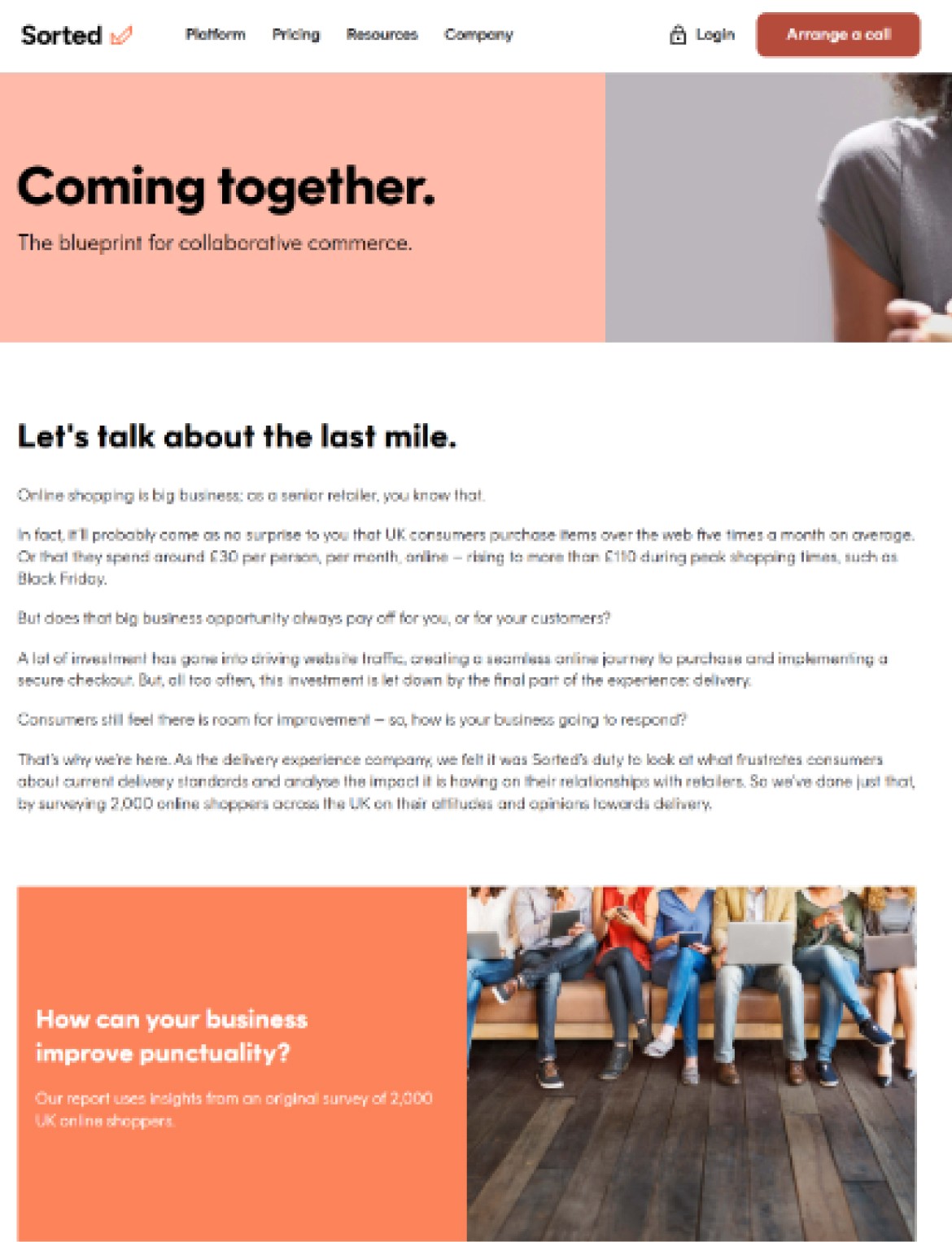
After several years of iterative updates to the live Sorted website, the overall design language and site structure had begun to feel fragmented and dated. The platform lacked scalability, visual consistency and flexibility for future content needs. This presented an opportunity to explore a conceptual redesign that reimagined Sorted’s digital identity with a stronger focus on modularity and improved brand cohesion.
The Strategic Shift
After several years of iterative updates to the live Sorted website, the overall design language and site structure had begun to feel fragmented and dated. The platform lacked scalability, visual consistency and flexibility for future content needs. This presented an opportunity to explore a conceptual redesign that reimagined Sorted’s digital identity with a stronger focus on modularity and improved brand cohesion.
The aim was to create a forward-looking prototype that modernised the interface, improved UX clarity and aligned the digital experience with Sorted’s position as a technology-led SaaS business.
The aim was to create a forward-looking prototype that modernised the interface, improved UX clarity and aligned the digital experience with Sorted’s position as a technology-led SaaS business.
Key objectives:
Redefine the Sorted visual identity through a modular and scalable layout system.
Develop new brand guidelines including typography, colour and accessibility standards.
Explore motion and interaction as UX tools to guide focus and enhance usability.
Key objectives:
Redefine the Sorted visual identity through a modular and scalable layout system.
Develop new brand guidelines including typography, colour and accessibility standards.
Explore motion and interaction as UX tools to guide focus and enhance usability.
High-Fidelity Innovation
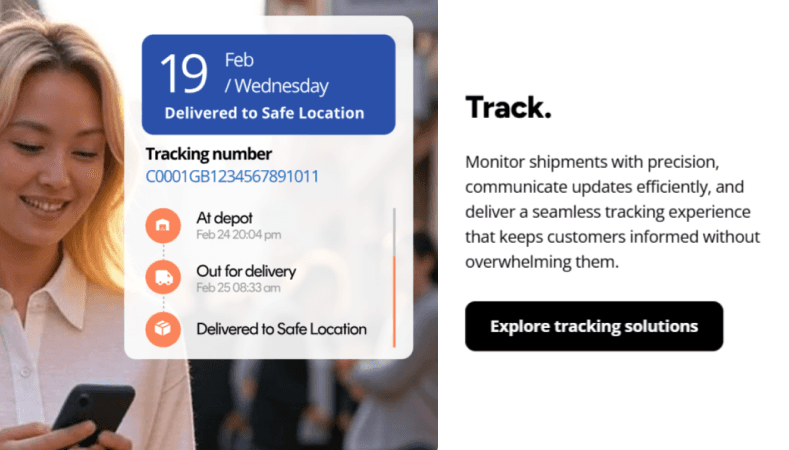
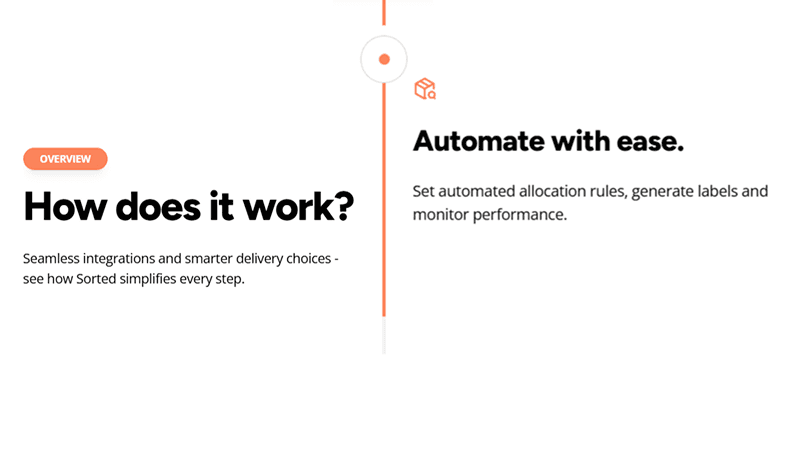
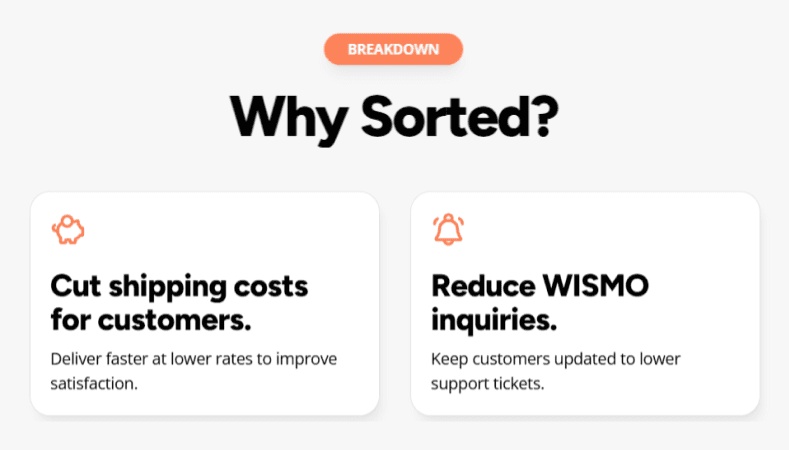
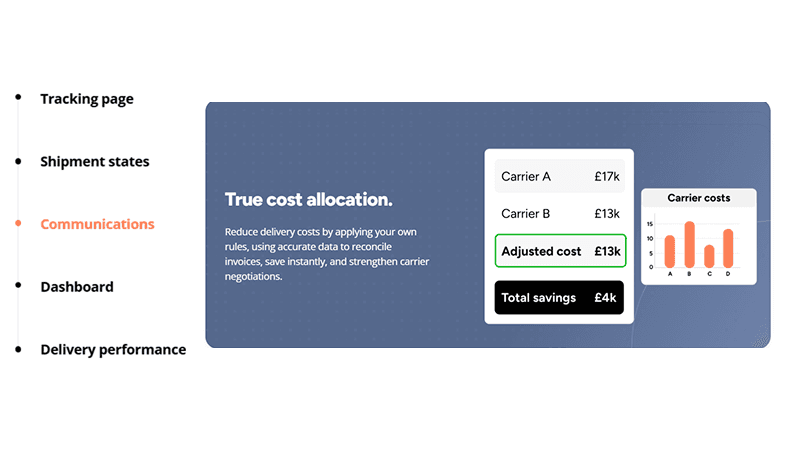
Using Framer as the prototyping tool, I designed a modular grid system and component library that provided structure and scalability across the site. This system allowed flexible content placement while maintaining visual consistency and responsive performance. Motion design principles were introduced subtly to support navigation flow and create an engaging interaction-led experience.
Alongside the prototype, I helped develop a refreshed set of Sorted brand guidelines. This included a new typographic hierarchy, an accessible colour palette and refined interface components designed to improve clarity, usability and visual harmony. The result was a cleaner and more confident brand presence built on scalable UX foundations.
High-Fidelity Innovation
Using Framer as the prototyping tool, I designed a modular grid system and component library that provided structure and scalability across the site. This system allowed flexible content placement while maintaining visual consistency and responsive performance. Motion design principles were introduced subtly to support navigation flow and create an engaging interaction-led experience.
Alongside the prototype, I helped develop a refreshed set of Sorted brand guidelines. This included a new typographic hierarchy, an accessible colour palette and refined interface components designed to improve clarity, usability and visual harmony. The result was a cleaner and more confident brand presence built on scalable UX foundations.
Key actions:
Designed and prototyped the new site architecture and interaction model in Framer.
Built a modular component library supporting consistent layout and visual rhythm.
Defined new brand standards including fonts, colours, and accessibility parameters.
Applied motion design principles for improved user flow and engagement.
Key actions:
Designed and prototyped the new site architecture and interaction model in Framer.
Built a modular component library supporting consistent layout and visual rhythm.
Defined new brand standards including fonts, colours, and accessibility parameters.
Applied motion design principles for improved user flow and engagement.
Impact & Evolution
The transition to a Framer-led ecosystem marked a significant shift in Sorted’s digital maturity. By moving away from the constraints of legacy templates, the new site achieved a level of visual sophistication and technical fluidity that mirrors the enterprise-grade nature of the SaaS platform itself.
Impact & Evolution
The transition to a Framer-led ecosystem marked a significant shift in Sorted’s digital maturity. By moving away from the constraints of legacy templates, the new site achieved a level of visual sophistication and technical fluidity that mirrors the enterprise-grade nature of the SaaS platform itself.